
With a handful of simple ingredients and a little patience, you can whip up your very own batch of Royal Dansk cookies. Not only will they delight your taste buds, but they’ll bring you closer to a timeless tradition wrapped in buttery nostalgia.
Table of Contents
How to make Royal Dansk Cookies
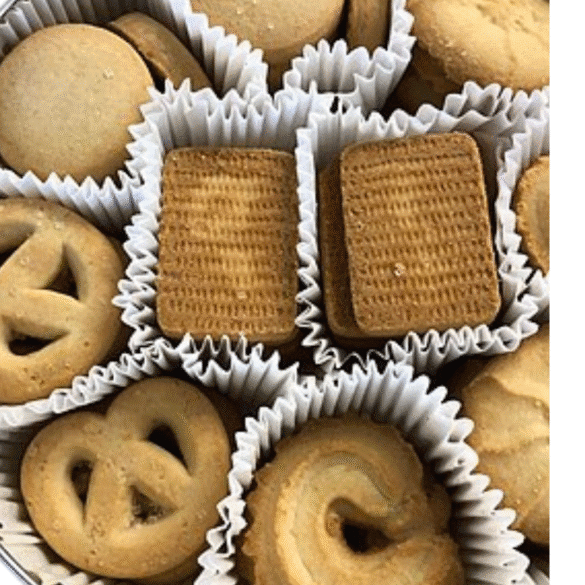
Royal Dansk Cookies are classic Danish butter cookies known for their rich, buttery flavor and crisp, melt-in-your-mouth texture.
Ingredients:
To make about 30 to 40 cookies, you’ll need:
- All-purpose flour – 1 1/2 cups (190g)
- Unsalted butter – 1 cup (227g), softened.
- Powdered sugar (or confectioners’ sugar) – 1/2 cup (60g)
- Granulated sugar – 1/4 cup (50g)
- Vanilla extract – 1 teaspoon
- Salt – 1/4 teaspoon
- Optional: Milk – 1 to 2 tablespoons (if needed)
Instructions:
1. Prepare Your Workspace:
- Preheat your oven to 375°F (190°C).
- Line two baking sheets with parchment paper or silicone baking mats.
2. Make the Dough:
- In a large mixing bowl, cream together the butter, powdered sugar, and granulated sugar until the mixture is light and fluffy, approximately 2-3 minutes. Use an electric hand mixer or stand mixer for best results.
- Add in the salt and vanilla extract. Mix until combined.
- Gradually add the flour, a little at a time, and mix until the dough is smooth. If the dough feels too stiff for piping, add 1-2 tablespoons of milk to soften it slightly.
3. Shape Your Cookies:
- Transfer the dough into a piping bag fitted with a star tip (Wilton 1M or similar) to mimic the classic spiral or pretzel shapes of Royal Dansk cookies.
Pipe the dough into your preferred shapes:
- Pretzel Shape: Create intertwined loops.
- Swirls or Rings: Pipe spirals or circular rings.
- Space the cookies about 1 inch apart on the prepared baking sheets, as they don’t spread much during baking.
4. Chill Before Baking (Optional but Recommended):
- For crispier cookies, place the piped dough in the refrigerator for 15 minutes before baking. This helps the shapes hold up better in the oven.
5. Bake:
- Bake in the preheated oven for 10-12 minutes or until the edges are just beginning to turn golden. Keep a close eye to avoid overbaking.
- Remove from the oven and let the cookies cool on the baking sheet for 5 minutes, then transfer them to a wire rack to cool completely.
Tips for Success:
- Choose the Right Butter: Good quality butter makes all the difference. European-style butter, like Danish butter, lends the cookies a richer taste and tender crumb.
- Pipe with Confidence: If you’re struggling with piping stiff dough, try warming the piping bag slightly in your hands or adding a small amount of milk to the dough to make it more pliable.
- Keep Them Crisp: Store your cookies in an airtight container to retain their signature crunch. If they soften over time, simply pop them back in the oven for 2-3 minutes to restore crispness.
- Customize Shapes: While the traditional shapes are part of the charm, don’t hesitate to get creative—stars, hearts, or simple drops are all great options.
- Gift-Worthy Idea: Pack your cookies in decorative tins or jars for an authentic Royal Dansk-inspired gift. Add a ribbon, and voilà! You’ve got a thoughtful homemade present.
What to serve with
Royal Dansk cookies, with their buttery richness and delightful crunch, are perfect on their own—but why stop there? Pairing these iconic treats with the right accompaniments can take your experience to the next level.
Tea
The mild buttery sweetness of Royal Dansk cookies makes them a perfect pairing for a variety of teas:
- Earl Grey: The bergamot notes in this aromatic tea complement the smooth, buttery flavour of the cookies.
- Chamomile: A light, floral herbal tea balances the richness without overpowering it.
- Green Tea: Its earthy tones contrast beautifully with the sweet cookies, especially the traditional Danish pretzel-shaped ones.
- Chai: The deep spices in chai tea (like cinnamon, cardamom, and cloves) pair wonderfully with the subtle sweetness of the cookies.
Coffee
For coffee lovers, Royal Dansk cookies are an irresistible combo:
- Espresso: The intense, bold flavor of espresso pairs nicely with the light, sweet crunch of the cookies.
- Cappuccino or Latte: The creamy, frothy texture of these beverages balances the crispiness of the cookies.
- Flavored Coffee: Vanilla or caramel coffee enhances the buttery sweetness of the cookies.
Milk
For a nostalgic twist, enjoy Royal Dansk cookies with:
- Cold Milk: Whether whole milk, almond milk, or oat milk, a chilled glass will balance the sweetness and cleanse the palate. It’s also a kid-friendly choice.
- Warm Milk with Spices: Add a sprinkle of cinnamon or nutmeg for a warm, comforting accompaniment in the winter months.
Ingredients Substitutes
When it comes to baking authentic Royal Dansk-inspired Danish butter cookies, the simple ingredients are key to achieving that rich, buttery flavor and melt-in-your-mouth texture.
1. Butter Substitutes
Butter is the foundation of Danish butter cookies. Its creamy richness is essential, but you might need a substitute depending on diet restrictions like veganism, lactose intolerance, or if you simply don’t have unsalted butter on hand.
Best Butter Substitutes:
- Plant-Based Margarine or Vegan Butter: For a dairy-free or vegan option, use high-quality vegan butter or margarine that mimics the fat content of regular butter. Brands such as Miyoko’s or Earth Balance work well.
- Coconut Oil: Use refined coconut oil to avoid the coconut flavor and ensure a neutral taste. Measure it 1:1 to replace butter, and make sure the coconut oil is solid but soft.
- Ghee or Clarified Butter: Ghee adds richness and a subtle nutty flavor. It’s lactose-free, making it suitable for those with minor lactose intolerance.
- Avocado Oil or Neutral Vegetable Oils: Oils won’t mimic the solid butter texture but work well in creating tender cookies. Use approximately 85% of the amount of butter called for (as 1 cup of butter is equivalent to roughly ¾ cup oil).
2. Flour Substitutes
All-purpose flour is ideal for Danish butter cookies because of its moderate protein content, which creates a crispy texture without making the cookies tough. If you need gluten-free or alternative options, consider the following:
Gluten-Free Options:
Gluten-Free All-Purpose Flour Blend: Replace with a 1:1 gluten-free flour mix that contains xanthan gum or guar gum to mimic the elasticity of wheat flour.
- Almond Flour: Use almond flour for a nuttier flavor and crumblier texture. You may need to add 1-2 tablespoons of tapioca flour or cornstarch to help the cookies hold their shape.
- Cassava Flour: This grain-free flour behaves similarly to wheat flour and provides a neutral, starchy flavor. You can substitute it in equal amounts.
- Oat Flour (Homemade): Blend rolled oats into a fine powder and use as a direct substitute for flour. However, oat flour absorbs more liquid, so you may need to adjust the milk or butter accordingly.
3. Sugar Substitutes
Achieving the perfect level of sweetness is crucial for Royal Dansk cookies. If you’re looking for a lower sugar option or alternatives due to health concerns, sugar substitutes can still deliver sweet results.
Powdered Sugar (Confectioners’ Sugar) Substitutes:
- Stevia Powder or Monk Fruit Sweetener: Both are calorie-free and naturally derived options. Use sparingly, as they are much sweeter than sugar; a common conversion for powdered stevia is 1 teaspoon for every 1 tablespoon of powdered sugar.
- Erythritol Powder: Erythritol is a popular sugar replacement for keto-friendly desserts. It has a similar granularity to confectioners’ sugar but lacks some sweetness intensity (you may need to adjust the quantity).
Granulated Sugar Substitutes:
- Coconut Sugar: This unrefined option adds a deeper caramel flavor. It may slightly darken your cookies, but the taste blend is delightful.
- Honey or Maple Syrup: Liquid sweeteners can replace granulated sugar, but you’ll need to reduce the milk or butter slightly to maintain the dough’s consistency.
- Brown Sugar: Brown sugar softens the cookies and gives them a richer, molasses-like flavor. It’s not traditional for butter cookies, but it works as a substitute.
- Agave Nectar: Use agave as a liquid replacement for sugar. This impacts texture, so adjust flour or chill your dough longer to prevent spreading.
4. Vanilla Extract Substitutes
Vanilla extract enhances the delicate flavor profile of butter cookies. If you run out or want to try a new variation, these substitutes work beautifully:
Options for Vanilla Flavor:
- Vanilla Bean Paste or Vanilla Powder: If you have vanilla bean paste, replace the extract with an equal amount. Vanilla powder provides concentrated flavor without adding liquid.
- Almond Extract: Substituting with almond extract gives the cookies a slightly nutty and aromatic flavor. Use sparingly—almond extract is more potent, so ½ teaspoon is usually sufficient.
- Rum or Brandy: These spirits can replace vanilla extract and add a warm, caramel-like depth. They pair particularly well if you plan to serve the cookies during fall or winter holidays.
- Maple Extract: Maple extract provides a rich, woodsy flavor, perfect for cozy cookie variations.
- Citrus Zest (Lemon or Orange): Add 1 teaspoon of citrus zest to brighten the flavor without vanilla.
5. Milk Substitutes
Milk is not a primary ingredient in Danish butter cookies, but it is sometimes added to loosen the dough for piping. If you’re avoiding dairy, here are great substitutes:
Dairy-Free or Non-Dairy Options:
- Almond Milk: Use unsweetened almond milk for a delicate flavor that won’t overpower the cookies.
- Oat Milk: Oat milk’s creamy texture works similarly to regular milk. Ensure it’s unsweetened for better flavor control.
- Soy Milk: Neutral soy milk adds moisture without altering texture.
- Coconut Milk: Opt for thin coconut milk (not the thick, canned variety) to avoid heaviness.
- Heavy Cream or Half-and-Half: If you prefer richer cookies, these substitutes can replace milk with added creaminess.
6. Salt Substitutes
Salt brings balance to the sweetness and enhances the buttery flavor. If you need alternatives or lower-sodium options, consider:
- Sea Salt or Kosher Salt: Both work well and may slightly elevate the cookie’s flavor. Use coarse salt sparingly if you’re substituting for fine salt.
- Herbal Salt Mixes: Florally infused salts, like lavender sea salt, can add subtle aroma shifts for an adventurous twist.
Final Thoughts
Royal Dansk cookies are a treat in themselves, but these pairings and serving ideas can help you craft an experience that feels refined, memorable, and uniquely your own.
More Cookies Recipes:
- Copycat 7 brew Santa Cookie Mocha Recipe
- Honey Bunches of Oats Sugar Cookie Recipe
- Copycat Chobani Cookie Butter Creamer Recipe
- Cookie Butter Cloud Latte Recipe
Ingredients
- All-purpose flour – 1 1/2 cups (190g)
- Unsalted butter – 1 cup (227g), softened.
- Powdered sugar – 1/2 cup (60g)
- Granulated sugar – 1/4 cup (50g)
- Vanilla extract – 1 teaspoon
- Salt – 1/4 teaspoon
- Optional: Milk – 1 to 2 tablespoons
Instructions
- Prepare Your Workspace:
- Preheat your oven to 375°F (190°C).
- Line two baking sheets with parchment paper or silicone baking mats.
- Make the Dough:
- In a large mixing bowl, cream together the butter, powdered sugar, and granulated sugar until the mixture is light and fluffy, approximately 2-3 minutes. Use an electric hand mixer or stand mixer for best results.
- Add in the salt and vanilla extract. Mix until combined.
- Gradually add the flour, a little at a time, and mix until the dough is smooth. If the dough feels too stiff for piping, add 1-2 tablespoons of milk to soften it slightly.
- Shape Your Cookies:
- Transfer the dough into a piping bag fitted with a star tip (Wilton 1M or similar) to mimic the classic spiral or pretzel shapes of Royal Dansk cookies.
Pipe the dough into your preferred shapes:
- Pretzel Shape: Create intertwined loops.
- Swirls or Rings: Pipe spirals or circular rings.
- Space the cookies about 1 inch apart on the prepared baking sheets, as they don’t spread much during baking.
- Chill Before Baking (Optional but Recommended):
- For crispier cookies, place the piped dough in the refrigerator for 15 minutes before baking. This helps the shapes hold up better in the oven.
- Bake:
- Bake in the preheated oven for 10-12 minutes or until the edges are just beginning to turn golden. Keep a close eye to avoid overbaking.
- Remove from the oven and let the cookies cool on the baking sheet for 5 minutes, then transfer them to a wire rack to cool completely.
